Bulk Procurement vs. Custom Orders: What Builders Actually Need to Know

In the construction industry, every purchasing decision affects project costs, timelines, and overall quality. One of the biggest decisions builders, contractors, and developers face is whether to purchase bulk building materials or choose custom procurement solutions for their projects.
While buying in bulk can significantly reduce costs, custom procurement offers flexibility that many complex projects require. Understanding the advantages and trade-offs of each option helps construction professionals make informed decisions that align with their project goals.
This guide explores the key differences between bulk procurement and custom orders, helping you determine which approach delivers the best value for your next project.
Understanding Bulk Procurement
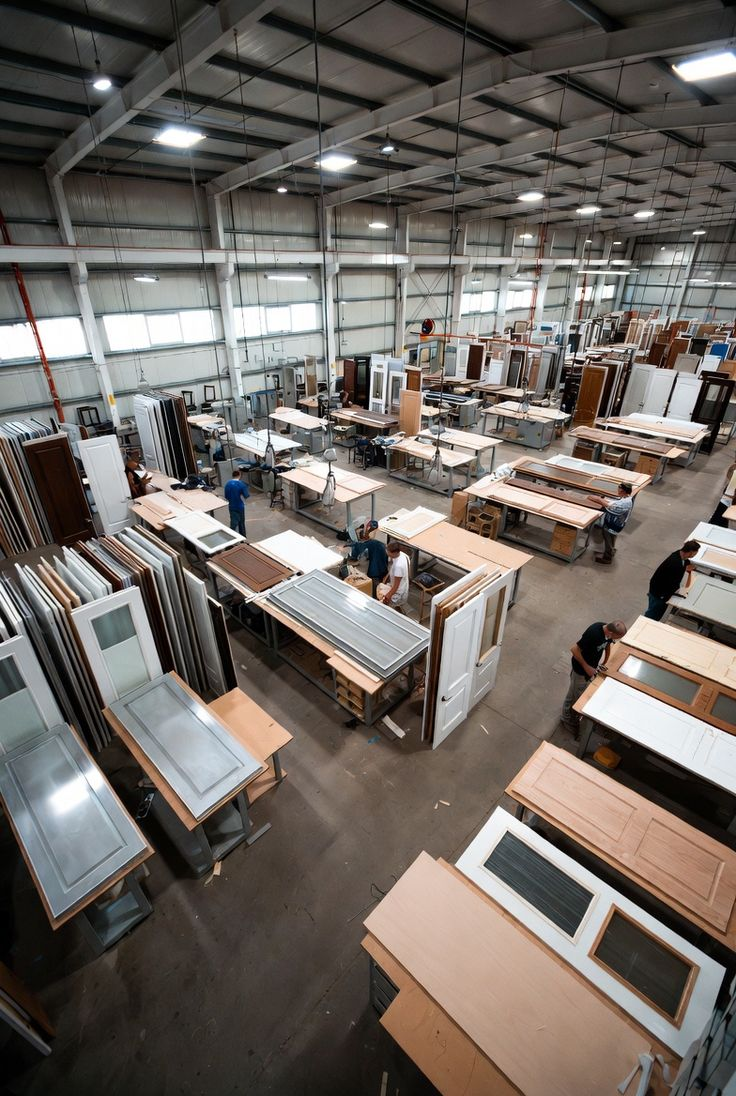
Bulk procurement refers to purchasing large quantities of building supplies at one time, often directly from manufacturers or authorized distributors. This strategy is commonly used for projects with predictable material requirements, such as residential developments, commercial buildings, infrastructure projects, and industrial facilities.
Because suppliers can plan production more efficiently, they often provide lower pricing for high-volume purchases.
Benefits of Bulk Building Materials
Lower Overall Costs
One of the biggest advantages of purchasing bulk building materials is cost savings. Larger orders usually qualify for volume discounts, helping contractors reduce the cost per unit.
Bulk purchasing may also lower shipping expenses since fewer deliveries are required compared to placing multiple small orders throughout a project.
Consistent Material Availability
Buying materials upfront helps reduce the risk of supply shortages during construction.
Having essential materials readily available minimizes delays caused by inventory fluctuations or supplier stock issues.
This is particularly beneficial for projects operating on tight schedules where interruptions can increase labor costs.
Better Budget Planning
Bulk purchases provide predictable pricing, making it easier to estimate project expenses. Contractors can secure pricing before market fluctuations affect material costs, improving financial planning and reducing unexpected budget increases.
What Is Custom Procurement?

Custom procurement involves sourcing building supplies based on specific project requirements rather than purchasing standard inventory in large quantities.
This approach allows builders to request specialized materials, custom dimensions, unique finishes, or products that meet specific engineering or architectural specifications.
Custom procurement is ideal for projects that require greater flexibility or specialized solutions.
Benefits of Custom Procurement
Greater Flexibility
Every construction project has unique requirements. Custom procurement allows builders to purchase only the materials they need, reducing unnecessary inventory and storage costs.
Projects with changing designs or evolving specifications benefit from this flexibility.
Access to Specialized Materials
Certain commercial, industrial, or architectural projects require products that are not commonly stocked by suppliers.
Custom procurement provides access to specialized products, including:
Custom-sized structural components
Specialty finishes
High-performance insulation
Sustainable construction materials
Engineered building systems
This ensures that projects meet design expectations without compromising quality.
Reduced Material Waste
Ordering materials according to exact specifications helps minimize excess inventory and construction waste.
Instead of purchasing standardized quantities that may leave unused materials behind, builders receive products tailored to their project requirements.
Comparing Bulk Procurement and Custom Orders
Choosing between bulk building materials and custom procurement depends on several critical factors.
Cost
Bulk procurement generally offers lower per-unit pricing due to volume discounts. It is often the most economical option for projects using standard materials in large quantities.
Custom procurement may involve higher unit costs because materials are manufactured or sourced specifically for each order. However, the reduction in waste and increased efficiency can offset some of these additional expenses.
Lead Times
Lead time is another important consideration.
Bulk materials are often available immediately from warehouse inventory, allowing projects to begin quickly.
Custom procurement usually requires additional production time because materials may need to be manufactured, modified, or sourced from specialized suppliers.
For projects with strict deadlines, planning ahead is essential when ordering custom materials.
Quality Control
Quality remains a top priority regardless of purchasing strategy.
Bulk orders from trusted suppliers provide consistent products that meet industry standards. However, inspecting shipments upon arrival remains important to ensure quality has not been compromised during manufacturing or transportation.
Custom procurement often includes additional quality checks because products are manufactured to specific project requirements. This added attention helps ensure materials meet precise technical specifications.
Flexibility
Bulk procurement works best when project requirements are unlikely to change.
On the other hand, custom procurement allows builders to respond to design modifications, engineering updates, or client requests without maintaining excessive inventory.
Projects involving complex architectural designs or phased construction often benefit from this flexibility.
When Bulk Procurement Makes the Most Sense
Bulk purchasing is typically the best choice when:
Large quantities of standard materials are required
Project specifications are finalized
Budget optimization is a priority
Storage facilities are available
Long-term projects require consistent material availability
Residential developments, warehouses, schools, and commercial complexes often benefit from bulk purchasing strategies.
When Custom Procurement Is the Better Choice

Custom procurement is often preferred when:
Specialized materials are required
Projects involve unique architectural designs
Engineering specifications are highly detailed
Material quantities may change throughout construction
Storage space is limited
Luxury homes, hospitals, manufacturing facilities, and specialized commercial buildings frequently rely on custom procurement solutions.
Can Builders Combine Both Strategies?
Absolutely.
Many successful construction companies use a hybrid procurement strategy.
For example, they purchase common construction materials like cement, steel, aggregates, and fasteners through bulk building materials orders while sourcing specialized products through custom procurement.
This balanced approach offers several advantages:
Lower overall project costs
Greater flexibility
Improved inventory management
Reduced construction delays
Better quality assurance
Combining both procurement methods allows builders to maximize efficiency while adapting to changing project requirements.
Choosing the Right Procurement Partner
Whether purchasing in bulk or ordering custom materials, selecting the right supplier is just as important as choosing the procurement strategy itself.
A reliable procurement partner should provide:
Competitive pricing
Consistent product quality
Reliable delivery schedules
Strong supplier relationships
Transparent communication
Technical product expertise
Flexible procurement options
Working with an experienced supplier ensures projects stay on schedule while maintaining quality and budget expectations.
Final Thoughts
There is no one-size-fits-all solution when choosing between bulk building materials and custom procurement. The right decision depends on your project's scope, timeline, budget, and material requirements.
Bulk procurement offers significant cost savings, faster availability, and simplified budgeting for standard construction projects. Meanwhile, custom procurement provides the flexibility, precision, and specialized solutions required for more complex builds.
Many builders achieve the best results by combining both strategies, using bulk purchasing for commonly used materials while relying on custom procurement for specialized products.
By carefully evaluating your project's unique needs, you can develop a procurement strategy that supports efficient construction, minimizes costs, and delivers high-quality results from start to finish.
Discuss Your Procurement Strategy with Our Team
Every construction project has unique procurement challenges. Whether you're considering bulk building materials, exploring custom procurement, or looking for reliable building supplies, our experienced team can help you develop a strategy that balances cost, quality, and efficiency.
Contact us today to discuss your procurement strategy and discover the right solution for your next construction project.




Comments